Welcome To CardCube Group ! The Largest Manufacturer Of RFID Custom Products

Update time:2023-03-27 11:00:09 / Views:150
Smart cards improve the convenience and security of transactions. they provide tamper-proof storage of user and account identities. Smart card systems have been shown to be more reliable than other machine-readable cards such as magnetic stripes and bar codes, and many studies have shown improved card read life and reader life, demonstrating lower system maintenance costs. Smart cards also provide an important component of system security for data exchange in virtually any type of network. they protect against a full range of security threats, from unnecessary user password storage to sophisticated system hacks. Managing password resets for an organization or enterprise can be very costly, making Smart cards a cost effective solution in these environments. Multifunction cards can also be used to manage data such as network system access and stored values. Globally, people are using Smart cards for a variety of everyday tasks, including
SIM cards and telecommunications
the most prominent application of Smart card technology is in the Subscriber Identification Module (SIM) required for all telephone systems under the Global System for Mobile Communications (GSM) standard. Each phone uses a unique identifier stored in the SIM to manage the rights and privileges of each user on various networks. This use case represents more than half of the Smart cards consumed each year. the Universal Subscriber Identity Module (USIM) is also used to bridge the identity gap in phone switching between GSM, UTMS and 3G network operators.
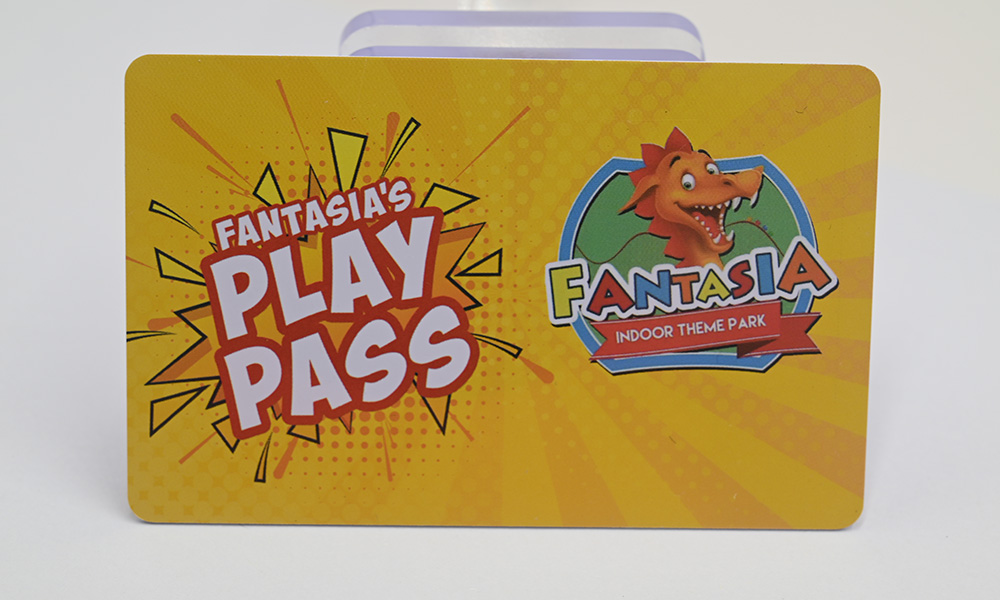
Another use of Smart cards is stored value, especially for loyalty programs that track and provide incentives for repeat customers. Stored value is more convenient and secure than cash. For issuers, the float is achieved on unused balances and balances.
For multi-chain retailers who manage loyalty programs across many different businesses and POS systems, Smart cards can centrally locate and track all data. Applications are numerous, such as transportation, parking, laundry, gaming, retail and entertainment.
Protecting digital content and physical assets
In addition to information security, Smart cards can ensure greater service and device security by restricting access to authorized users.
Information and entertainment is delivered via satellite or cable to a home DVR player or cable box or cable PC. home delivery of services is encrypted and decrypted via a Smart card accessed by each subscriber. Digital video broadcasting systems already use Smart cards as electronic keys for protection.
Previous:The functions of barcode card and magnetic stripe card and what is the difference between them?
Next:Why smart card is better than other ID token technology?
Near Field Communication (NFC) technology has grown from a niche capability into a mainstream enabler of contactless experiences. Originally developed as an extension of radio-frequency identification
The tax service card is an inductive drip card designed and produced according to the needs of taxpayers. At present, Shenzhen Card Cube Smart Card Technology Co. It can be used directly in the web ve
Update time:2023-04-25 09:34:16 / Views:103 How to design the pet store keychain card? I just opened a new pet store, hoping to realize the membership system, and need to
It provides schools (teachers), students and parents with application services such as home-school interaction, campus safety, teaching management and learning counseling through computers and cell ph
Update time:2023-03-27 10:44:30 / Views:81 Induction PVC cards can be divided into several types Now many hospitals use induction PVC cards as hospital hospital cards, so there are
Ecofriendly RFID cards are transforming the way we think about gifting. As Thanksgiving approaches, many seek sustainable options. These cards offer a perfect blend of technology and environmental con