Welcome To CardCube Group ! The Largest Manufacturer Of RFID Custom Products

smart cards originated in Europe and became popular in China in the 1990s. initially, the only industry involved was the communications industry, and as China was in a state of development at that time, the sales of smart cards were not very satisfactory, and compared with other countries, the Chinese market was small and eloquent until 2002 to 2005, when the smart card industry underwent a great change, and smart cards were not only involved in communications, but also in transportation.

China has now become the worlds largest seller and producer of smart cards, which started out in the communications industry to transportation. smart cards are now involved in an increasingly wide range of markets, such as: commerce, medical care, insurance, transportation, energy, communications, security management, identification and other non-financial areas are widely used in addition to the increasingly widespread application in the financial sector, with very far-reaching implications.
The types of cards, models, materials, prices also vary, the common membership cards, magnetic strip
RFID (Radio Frequency Identification) the technology, also known as radio frequency identification, is a communications technology that can identify specific targets and read and write related data th
CPU card definition Introduction of CPU card, the difference between CPU card and contactless IC card CPU in general, the card chip refers to the chip contains a microprocessor,
Standard: ISO7816 defines the distance from the midpoint of the IC card chip to the edge of the card
I believe that each person is his or her own. After entering the school, the school will give students a student card, commonly known as a card "in order to allow students to enter and exit the dormit
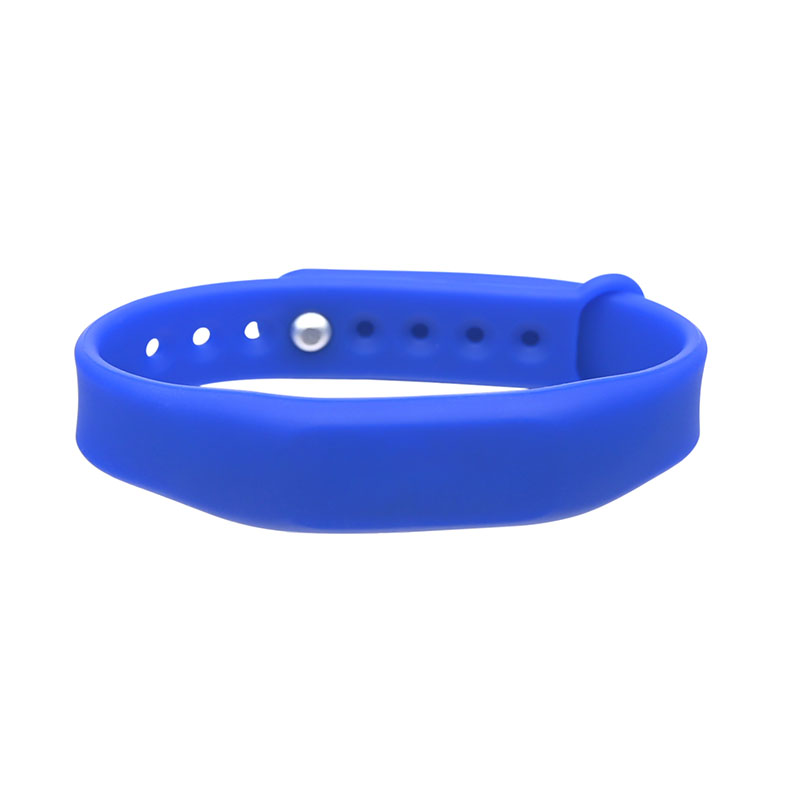
In today's fast-paced world, the need for efficient identification, tracking, and access control solutions has never been greater. RFID wristbands have emerged as a versatile and innovative solution,