Welcome To CardCube Group ! The Largest Manufacturer Of RFID Custom Products

Smart card industry, there are a total of three printing methods, common printing methods for offset, screen printing, or screen printing plus offset printing, portrait card production is generally used digital printing, because the name and photo on the portrait card are not the same, so can only take digital printing.
Basic introduction to printing.
Screen printing is the abbreviation of "screen printing". Screen printing is the production of silk, synthetic or metal screens on a frame, using hand engraved lacquer film or photochemical plate making methods to produce screen printing plates. Modern screen printing technology, on the other hand, uses light-sensitive materials to produce screen printing plates by photographic plate making (so that the screen holes in the graphic part of the plate are through-holes, while the non-graphic part of the screen holes are blocked).
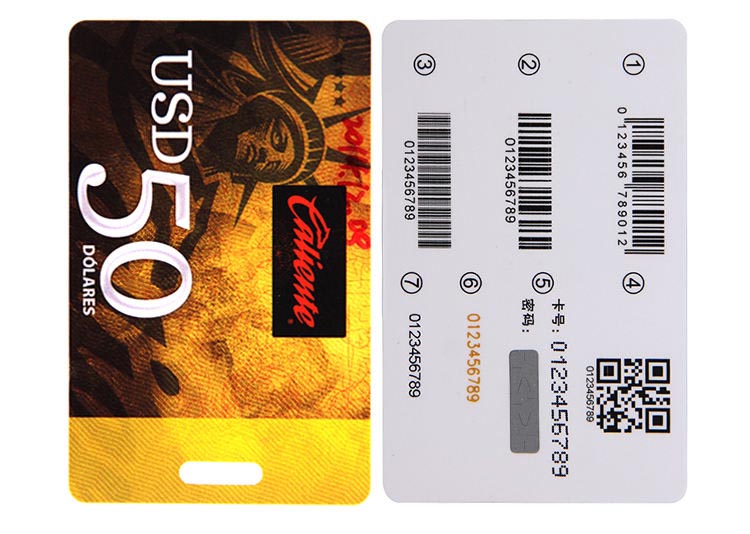
the main differences between screen printing and other printing methods: Submit
(Silk-screened gold cards)
1. High print adaptability
2. Thick ink layer, strong three-dimensional sense, rich texture
3. Strong light resistance, vivid colours
Discover the crucial role of patient ID wristbands in the healthcare industry. Learn how RFID wristbands improve patient safety, reduce medical errors, and streamline hospital workflows.
Coin Card Special drip cards: coin cards! Coin card, also known as round coin card, is named coin card because it is small and round, similar in size to a coin. Due to
Update time:2023-03-27 10:16:58 / Views:175 The most common card we use in the medical industry is the hospital card. Hospital cards initially used magnetic stripe cards. With the c
⒈ width adjustment method. The 2 coding methods of the bar code card! Width adjustment coding method refers to the bar code symbol consists of width bar unit, empty unit and char
Update time:2023-03-27 10:01:04 / Views:145 PVC business card is mainly a special business card made of vinyl polymer material, using screen printing technology, combined with hot e
Why Silicone Wristbands?Silicone is stronger and longer-lasting than rubber, meaning that silicone bracelets are stronger and last longer than rubber wristbands or rubber bracelets of comparable size